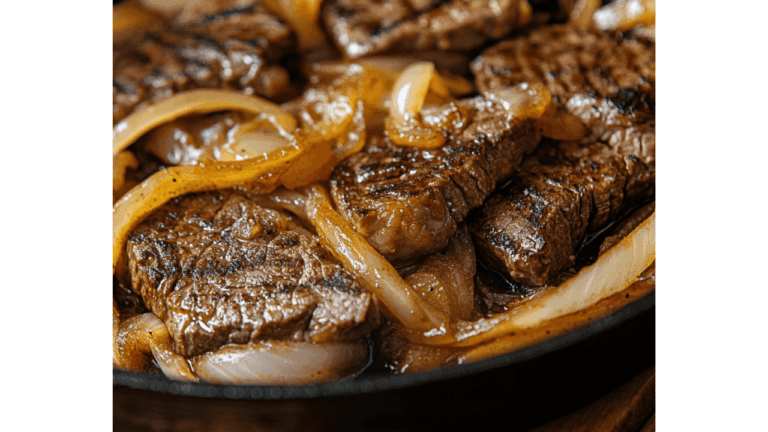
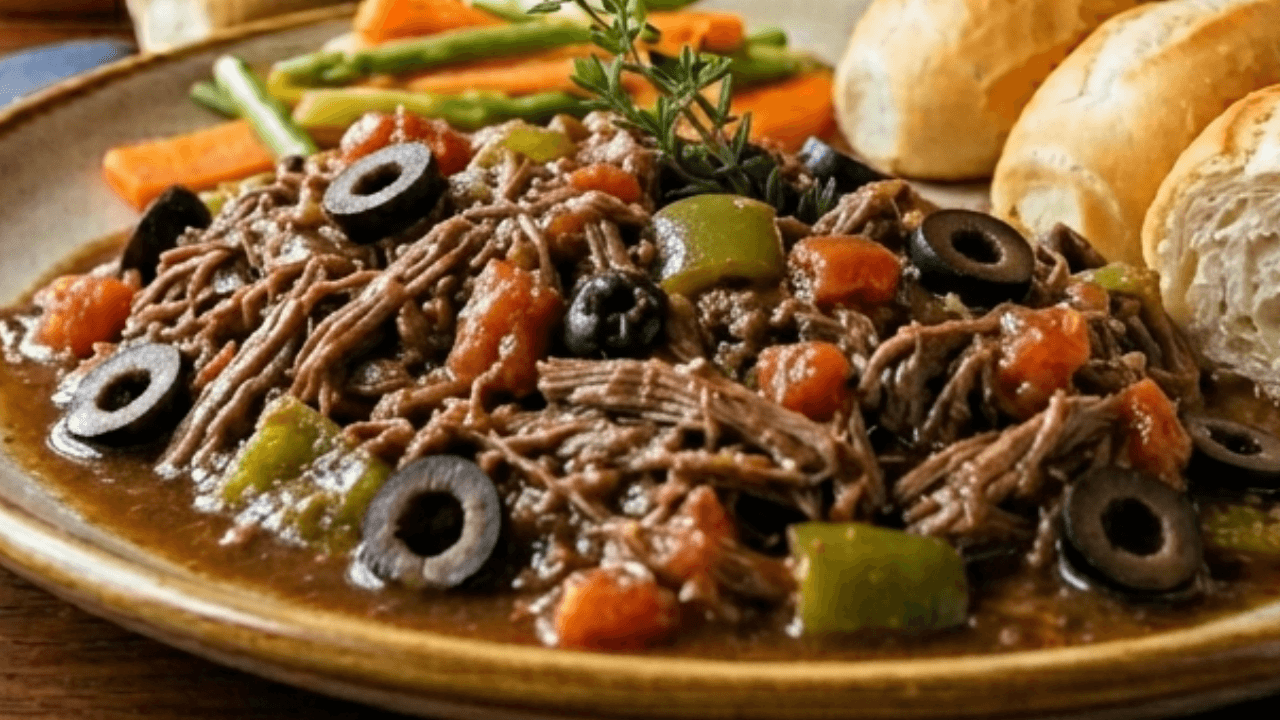
Pork stew in dark beer
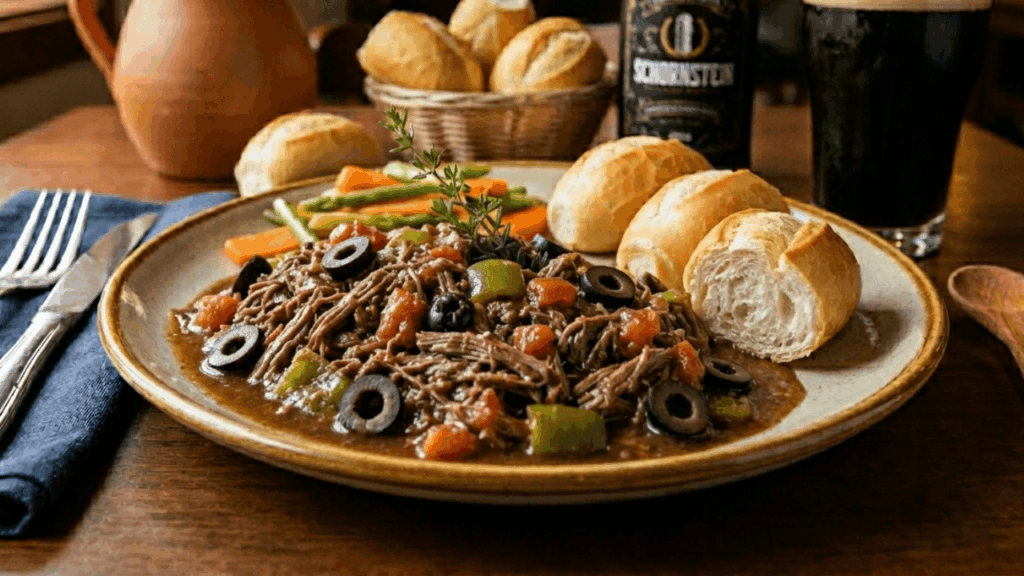
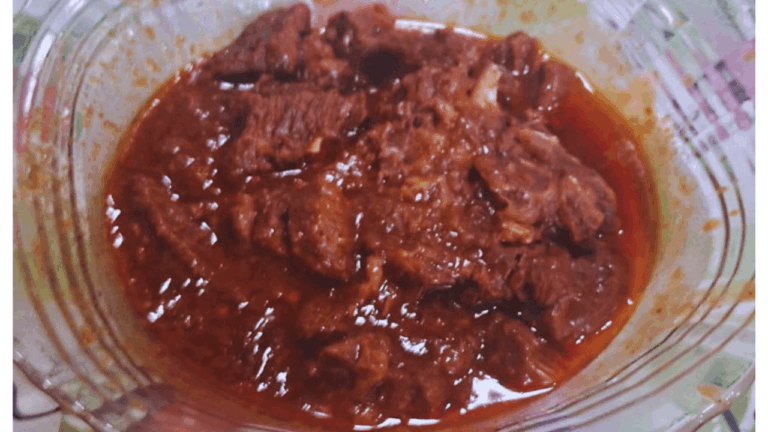
It is a dish of pork (ribs, leg, or shoulder) slow-cooked in dark beer — stout or malzbier — which makes the meat tender, juicy, and with a slightly sweet and toasty flavor.
The tradition of cooking meat in beer is very old in Europe, especially in Germany, Belgium, and the Czech Republic, where beer was cheaper and more accessible than wine. The combination with pork was natural, since pigs were the most commonly raised animals by families.
In Brazil It arrived mainly through German and Italian immigration in the South of the country, especially in Santa Catarina and Rio Grande do Sul. Over time it became a typical dish at June festivals and barbecues throughout Brazil.
Malzbier (a sweet malt beer) became the favorite among Brazilians for this recipe, as its sweetness contrasts well with the salt and seasonings of the pork. Stout is also widely used by those who prefer a more bitter and full-bodied flavor.
Today it is commonly found at: Casual bars and German cuisine restaurants in the South, family gatherings throughout Brazil, homemade recipes using a pressure cooker.
Ingredients
- 2.2 lbs of pork (leg or loin), cut into cubes
- 1 can or bottle of dark beer (12 to 17 fl oz)
- 1 bell pepper (green, yellow, or red), sliced into strips
- 2 ripe tomatoes, diced
- 1 cup of sliced black
- 2 medium onions, chopped
- 4 garlic cloves, minced
- Olive oil, salt, and black pepper to taste
- French rolls or baguette for serving
Instructions
1. Season the pork with salt and pepper. Heat the olive oil in a pressure cooker over high heat and brown the meat well on all sides. Remove and set aside.
2. In the same pan, reduce the heat and sauté the onion and garlic until lightly browned.
3. Return the pork to the pan. Add the bell pepper, tomatoes, onion, and pour in the beer. Leave the olives out.
4. Scrape the bottom of the pan to loosen any residue. Add the broth—the liquid should cover about half of the meat.
Cover and cook under pressure for 40 minutes. Release the pressure naturally.
Read also : Bacon Farofa.
5. Check the consistency; the pork should be tender enough to shred. Cook uncovered for 2 minutes if you want a thicker sauce.
Turn off the heat when the sauce is firmer.
6. In a glass dish, shred the meat with a fork until all the meat is easily shredded. Add the black olives last and serve with bread.